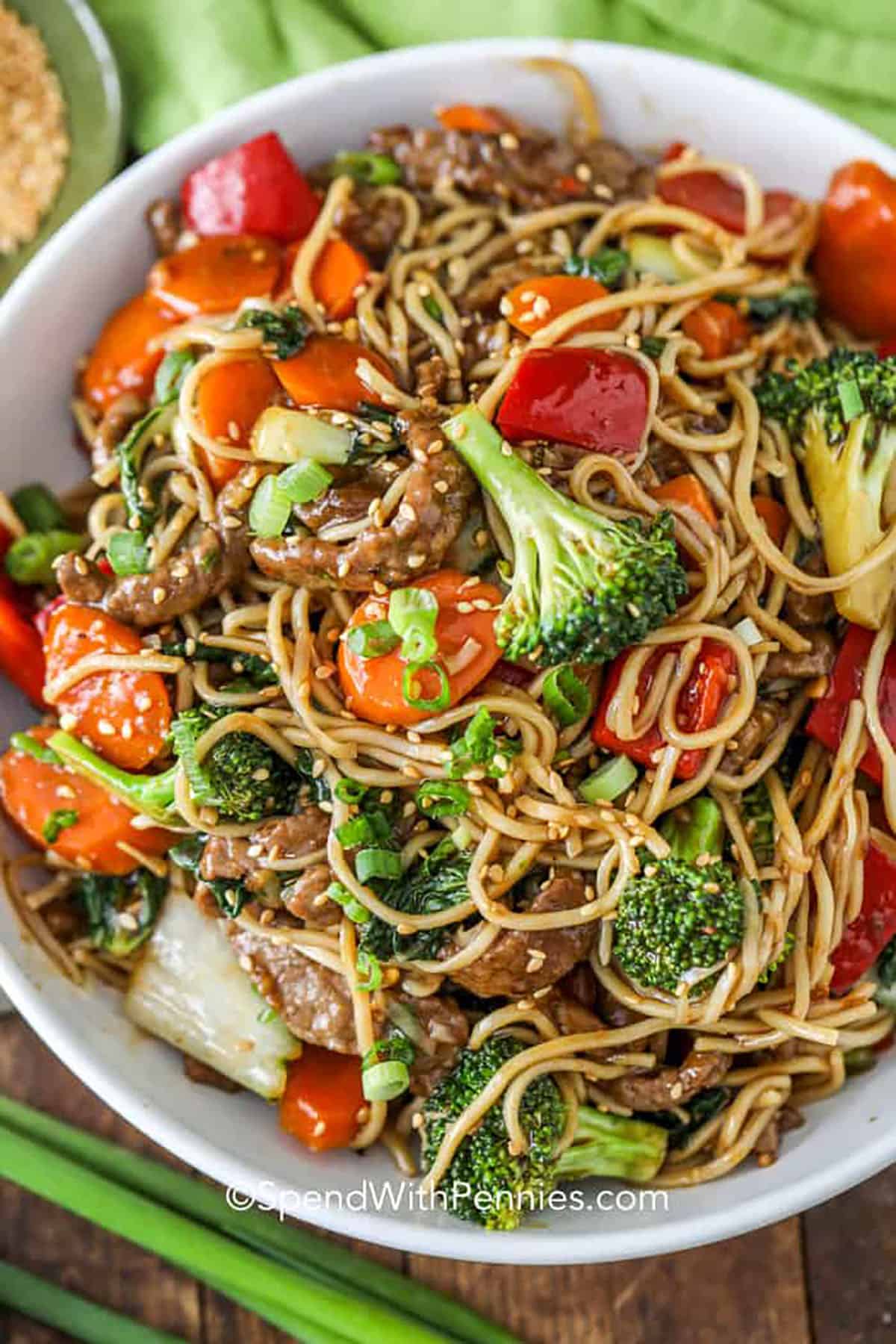
Master Beef Stir Fry: Pro Tips for Tender, Flavorful Results
Tired of lackluster takeout and yearning for a homemade meal that’s both quick and bursting with authentic flavor? Look no further than the venerable beef stir fry. This classic Asian-inspired dish is not just a speedy solution for busy weeknights; it’s a canvas for culinary creativity, offering a perfect balance of tender beef, crisp-tender vegetables, and an irresistible savory sauce. A truly exceptional `beef stir fry recipe` is one that transports your taste buds, delivering that satisfying combination of textures and umami without the fuss.
But how do you achieve that restaurant-quality result at home? It all comes down to mastering a few key techniques and understanding your ingredients. Forget dry, chewy beef or soggy vegetables; with our pro tips, you’ll unlock the secrets to a tender, flavorful beef stir fry that will become a staple in your kitchen.
The Art of the Stir Fry: Beyond Just Cooking
At its heart, stir-frying is an ancient cooking method that originated in China, designed for speed and efficiency. The technique involves quickly cooking small pieces of food in a large pan – traditionally a wok – over very high heat while continuously stirring. This rapid cooking process locks in nutrients and flavors, creating dishes that are fresh, vibrant, and incredibly satisfying.
Why a Wok Makes All the Difference
While you can certainly make a stir fry in a large skillet, a wok is the true hero of this dish. Made from carbon steel or cast iron, its unique shape with high, sloping sides allows for even heat distribution and provides a wide surface area for tossing ingredients without them spilling out. The concentrated heat at the bottom and cooler sides enable you to move ingredients around, ensuring they cook perfectly and develop that coveted "wok hei" – the smoky, complex flavor imparted by a well-seasoned wok over intense heat. Achieving a successful beef stir fry hinges significantly on harnessing this powerful, quick blast of heat, ensuring your ingredients caramelize beautifully rather than steam.
The Ultimate Weeknight Meal
The appeal of a `beef stir fry recipe` extends beyond its deliciousness. It’s incredibly versatile and designed for speed, often coming together in under 30 minutes from start to finish. This makes it an ideal choice for healthy, satisfying dinners, often surpassing takeout in both freshness and flavor.
Selecting Your Stars: Beef & Beyond
The foundation of any great beef stir fry is, naturally, the beef itself. Choosing the right cut and preparing it properly are paramount to achieving that melt-in-your-mouth tenderness.
Choosing and Preparing the Beef
For stir-frying, you want lean cuts that cook quickly and absorb marinades well. Flank steak is a perennial favorite, known for its robust flavor and texture, but other excellent choices include sirloin, ribeye, filet mignon, or strip steak. The key is to slice the beef *very thinly* and *against the grain*. This shortens the muscle fibers, making the beef far more tender when cooked. A pro tip: partially freezing the beef for 20-30 minutes before slicing makes it much easier to get those paper-thin cuts.
The Power of Marinade and Velvetizing
A good marinade doesn't just add flavor; it’s crucial for tenderizing the beef. Our `beef stir fry recipe` typically features a marinade with:
*
Soy Sauce: For umami and saltiness (shoyu, tamari, or coconut aminos for soy-free options).
*
Freshly Grated Ginger and Minced Garlic: Essential aromatics that infuse deep flavor.
*
Cornstarch: This is a secret weapon. When added to the marinade, cornstarch creates a protective coating on the beef, often called "velvetizing." This not only helps tenderize the meat but also creates a silky texture and prevents it from drying out during high-heat cooking.
*
An extra pro tip: A tiny pinch of baking soda (about 1/4 teaspoon per pound of beef) in the marinade can dramatically improve tenderness by raising the pH of the meat, breaking down muscle fibers further. Just be careful not to use too much, or it can give a slightly metallic taste.
A Rainbow of Vegetables
The beauty of a beef stir fry lies in its adaptability, especially when it comes to vegetables. Aim for a variety of colors and textures for a visually appealing and nutritious meal. Common choices include:
*
Bell Peppers: Any color adds sweetness and crunch.
*
Broccoli & Carrots: Classic choices that hold up well to stir-frying.
*
Zucchini, Squash, Bok Choy, Cabbage: Offer different textures and flavors.
*
Snow Peas, Sugar Snaps, Green Beans: Add a fresh snap.
*
Mushrooms: Shiitake or oyster mushrooms lend an earthy, umami depth.
Remember to cut all your vegetables into roughly uniform sizes to ensure even cooking. This might mean slicing carrots thinly and keeping broccoli florets smaller. For more ideas on ingredient swaps and sauces, check out our guide on
Homemade Beef Stir Fry: Perfect Sauces & Ingredient Swaps.
Crafting the Perfect Sauce: The Flavor Foundation
While the beef and vegetables are key, the sauce is what truly ties a stir fry together, infusing every bite with savory, sweet, and tangy notes. A homemade stir fry sauce is always superior to store-bought, allowing you to control the quality of ingredients and tailor the flavor profile to your liking.
Essential Sauce Components
A robust stir fry sauce typically includes:
*
Soy Sauce: The backbone of the sauce, providing foundational umami.
*
Oyster Sauce: Don't be deterred by the name! This thick, dark sauce adds an incredible depth of umami and a subtly sweet, savory richness that is hard to replicate. Vegan oyster sauce is also available.
*
Sugar: A touch of granulated or brown sugar balances the savory and salty elements.
*
Sherry or Shaoxing Wine: Dry sherry or Chinese Shaoxing rice wine adds a layer of complexity and aroma. For an alcohol-free substitute, a mix of apple cider vinegar and water works well.
*
Cornstarch Slurry: A crucial element for thickening the sauce, giving it that glossy, clings-to-everything consistency. Mix cornstarch with a small amount of cold water before adding it to the hot wok to prevent lumps.
*
Optional additions: A dash of sesame oil at the very end for an aromatic finish, and a pinch of white pepper for subtle warmth.
Pro Tip: Prepare Your Sauce Ahead! Stir-frying moves incredibly fast. Having your sauce whisked together and ready to go before you even turn on the heat is absolutely essential for a smooth cooking process.
Mastering the Technique: Stir-Frying Like a Pro
With your ingredients prepped and your sauce ready, it’s time to cook. This is where the magic happens, and a few fundamental techniques will elevate your stir fry from good to gourmet.
High Heat is Non-Negotiable
The most critical rule of stir-frying: *preheat your wok until your oil is smoking.* That intense, quick blast of heat is what achieves the beautiful sear on the beef, cooks vegetables crisp-tender, and prevents everything from stewing in its own juices. Use a high-smoke point, neutral-flavored oil like avocado, grapeseed, or peanut oil.
The Stir-Fry Motion
Once ingredients are added, the constant movement is key. Hold the wok handle with one hand and a sturdy spoon or spatula in the other. Vigorously move the wok back and forth while using your spoon to continuously stir and toss the ingredients around the pan. This ensures even cooking and prevents sticking or burning.
Cooking in Batches
Resist the urge to overcrowd your wok. Overloading the pan will drop the temperature drastically, causing ingredients to steam rather than sear, leading to watery, soggy results.
1.
Cook the Beef First: Sear the marinated beef in batches until just browned, then remove it from the wok and set aside. It will finish cooking later.
2.
Sauté Aromatics: Add a little more oil if needed, then quickly sauté your aromatics (garlic and ginger) until fragrant, usually just 15-30 seconds.
3.
Cook Harder Vegetables: Add vegetables that take longer to cook, such as carrots and broccoli. Stir-fry for a few minutes until they start to tenderize.
4.
Add Softer Vegetables: Introduce quicker-cooking vegetables like bell peppers, zucchini, or mushrooms. Continue stir-frying until all vegetables are crisp-tender.
5.
Bring It All Together: Return the cooked beef to the wok. Give your prepared sauce a quick whisk, then pour it over the ingredients. Stir continuously until the sauce thickens and coats everything beautifully.
Serving Suggestions & Variations
A master beef stir fry is best served immediately, straight from the wok.
*
Classic Pairing: Steaming hot white rice is the traditional accompaniment, perfect for soaking up every drop of that delicious sauce. Brown rice or noodles are also excellent alternatives.
*
Garnishes: A sprinkle of sesame seeds, freshly chopped green onions, or a handful of fresh cilantro can add a burst of color and extra flavor.
*
Spice It Up: For those who love a kick, add a dash of chili flakes or a swirl of sriracha to your finished dish.
Feel free to experiment with different proteins, such as chicken, shrimp, or tofu, or swap out vegetables based on seasonal availability. The beauty of this dish is its endless adaptability. If you're looking for an even quicker meal, our
Easy Beef Stir Fry Recipe: Ready in Under 30 Minutes provides a streamlined approach without sacrificing flavor.
Conclusion
Mastering a `beef stir fry recipe` is less about complex techniques and more about understanding the principles of high-heat cooking, thoughtful ingredient preparation, and the art of a balanced sauce. By focusing on thinly sliced, tenderized beef, crisp-tender vegetables, and a well-crafted sauce, all cooked with intense heat and constant motion, you can consistently achieve results that rival your favorite takeout. So, gather your ingredients, fire up your wok, and get ready to impress your family and friends with a truly spectacular, flavorful, and perfectly tender beef stir fry. Happy cooking!