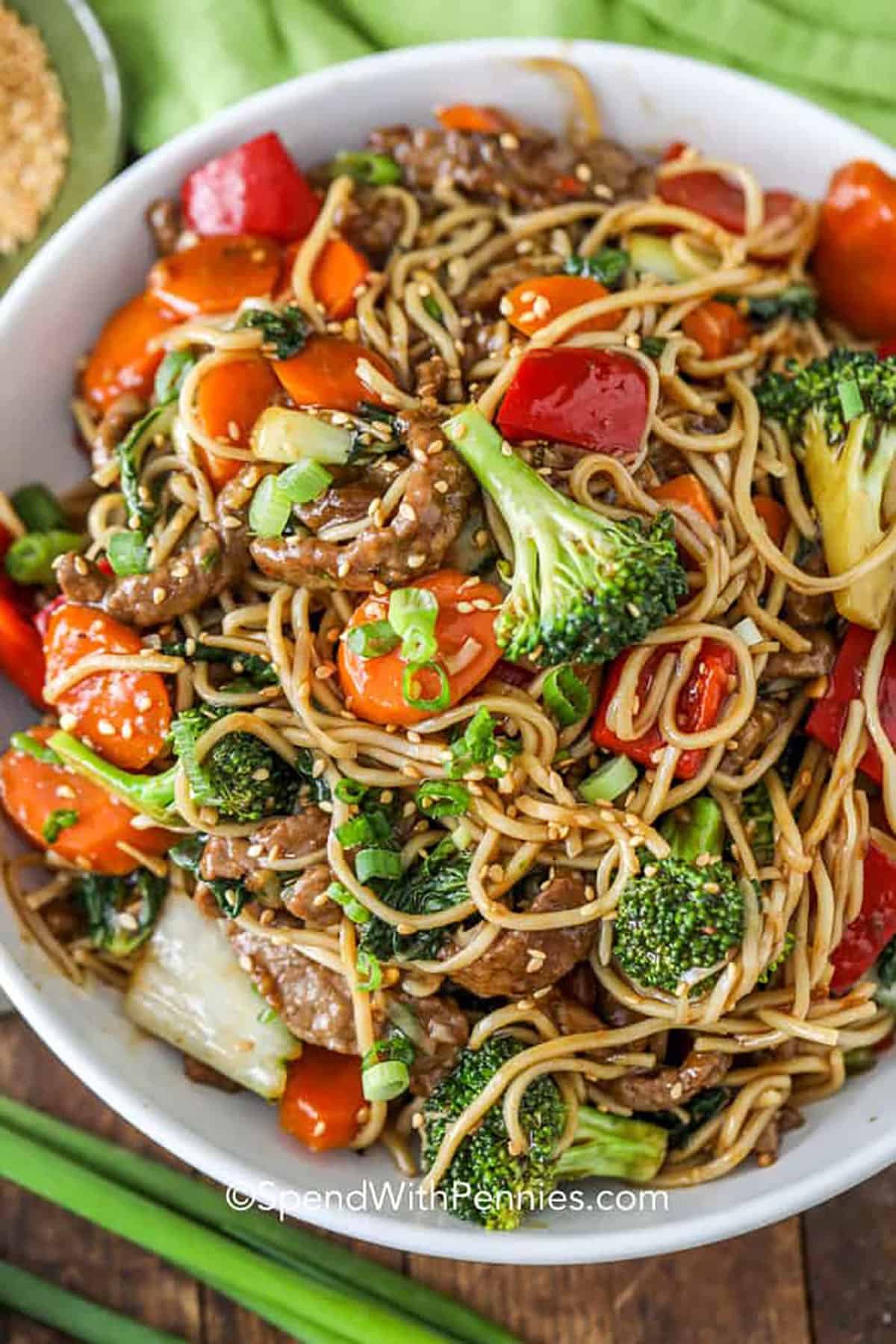
Homemade Beef Stir Fry: Perfect Sauces & Ingredient Swaps
Craving a vibrant, flavorful meal that rivals your favorite takeout, but can be on the table in under 30 minutes? Look no further than the humble yet extraordinary beef stir fry. This classic Asian-inspired dish is a weeknight warrior, packed with tender slices of beef, crisp vegetables, and a savory, custom-made sauce that will delight your taste buds. Mastering a homemade beef stir fry recipe is not only incredibly satisfying but also offers endless possibilities for customization, making it a staple you'll return to again and again.
The Art of a Perfect Beef Stir Fry: Beyond the Basics
At its heart, a beef stir fry is a symphony of contrasting textures and complementary flavors. It involves rapidly cooking thin cuts of beef and an array of fresh vegetables in a super-hot pan or wok, then uniting them with a rich, glossy sauce. The secret lies in the ancient cooking technique of "stir-frying" itself, which utilizes intense heat to quickly sear ingredients, locking in juices and flavors while maintaining a delightful crispness in the vegetables. The result is a dish that is consistently tender, robustly flavored, and incredibly satisfying.
The beauty of this dish is its versatility. Whether you're a seasoned chef or a kitchen novice, a great beef stir fry is within reach. It’s a fantastic way to use up whatever fresh produce you have on hand and adapt to dietary preferences, making it a truly flexible meal solution.
Mastering the Stir Fry Technique at Home
To truly achieve that authentic stir-fry taste and texture, a few key techniques are essential. It’s less about complex steps and more about timing and heat management:
- Heat is Your Best Friend: The most crucial element is a smoking-hot pan or wok. This intense, quick blast of heat is what creates that desirable caramelization (the Maillard reaction) on your beef and prevents ingredients from steaming instead of searing. Ensure your high-smoke point oil is shimmering, just starting to smoke, before adding anything.
- The Wok Dance: For optimal results, use a carbon steel or cast iron wok over high heat. Hold the wok handle with one hand and a stirring utensil (spoon or ladle) in the other. Vigorously move the wok back and forth while continuously stirring the ingredients with your other hand. This ensures even cooking, prevents sticking, and keeps everything moving, which is the essence of "stir-fry."
- Don't Overcrowd the Pan: This is a common mistake that prevents proper searing. If you add too many ingredients at once, the temperature of your pan will drop drastically, causing everything to steam rather than fry. Cook your beef in batches if necessary, removing it from the wok before cooking the vegetables, and then combining everything at the end. This ensures each component gets that perfect sear.
- Prep Everything First: Stir-frying moves incredibly fast. Have all your ingredients—sliced beef, chopped vegetables, and pre-mixed sauce—ready and within arm's reach before you even turn on the heat. This mise en place is non-negotiable for success.
For more in-depth advice on achieving restaurant-quality results, explore our guide on Master Beef Stir Fry: Pro Tips for Tender, Flavorful Results.
Crafting Your Signature Beef Stir Fry Sauce
The sauce is the soul of any homemade beef stir fry. It’s what brings all the disparate elements together, coating each piece of beef and every vegetable with a harmonious blend of savory, sweet, salty, and umami notes. While countless variations exist, a classic stir fry sauce typically balances these key ingredients:
- Soy Sauce: The cornerstone of flavor. Opt for a good quality shoyu (Japanese-style soy sauce) or tamari for a gluten-free option. For those avoiding soy, coconut aminos offer a fantastic alternative with a similar savory profile.
- Oyster Sauce: Don't let the name deter you! Oyster sauce adds an incredible depth of umami and a subtle sweetness that is often masked by other flavors. It's a secret weapon for achieving that authentic takeaway taste. Vegan oyster sauces are readily available for plant-based diets.
- Sugar: A touch of granulated or brown sugar balances the saltiness of the soy sauce and helps with caramelization. Adjust to your preference.
- Sherry or Shaoxing Wine: Dry sherry or Chinese Shaoxing wine adds complex aromatic notes and a distinct depth of flavor. If you prefer an alcohol-free option, a mix of equal parts apple cider vinegar and water can provide a similar tangy lift. Dry vermouth is another suitable alcoholic substitute.
- Fresh Aromatics: Freshly grated ginger and minced garlic are non-negotiable. They provide a vibrant, pungent base that elevates the entire dish. While ground dry ginger can be substituted in a pinch (use about ½ teaspoon for a tablespoon of fresh), fresh offers unparalleled fragrance and kick.
- Cornstarch Slurry: This is what gives your sauce its desirable glossy finish and thickens it to perfectly coat your ingredients. Mix cornstarch with a small amount of cold water before adding it to the hot wok to prevent lumps.
Pro Tip: Always mix your stir fry sauce in a separate bowl before you begin cooking. This ensures all ingredients are well combined and allows for quick pouring when it's time to add it to the wok, as stir-frying demands speed.
Essential Ingredients and Smart Swaps for Your Beef Stir Fry
The beauty of a beef stir fry lies in its adaptability. While a basic recipe provides a fantastic starting point, don't hesitate to experiment with different proteins, vegetables, and even aromatics based on what you have on hand or what's in season.
Choosing Your Beef
The key to tender beef in stir fry is choosing the right cut and preparing it correctly:
- Flank Steak: A popular choice for its robust flavor and ability to become wonderfully tender when sliced thinly against the grain.
- Sirloin Steak: Offers good flavor and tenderness at a reasonable price point.
- Ribeye or Filet Mignon: For a more luxurious and incredibly tender stir fry, these premium cuts are excellent, though more expensive.
- Strip Steak (New York Strip): Another solid option that balances tenderness with flavor.
Preparation Tip: Always slice your beef very thinly, about ¼ inch thick, and against the grain. This shortens the muscle fibers, making the beef more tender. Marinating the beef briefly (even 15-20 minutes) with a little soy sauce, cornstarch, and oil can also significantly improve its tenderness and flavor.
Vegetable Powerhouses
This is where you can truly let your creativity shine! Aim for a variety of colors and textures:
- Bell Peppers: Red, yellow, orange, or green add sweetness and crunch.
- Carrots & Broccoli: Classic choices that hold up well and add vibrant color and nutrients.
- Mushrooms: Shiitake, oyster, cremini, or even button mushrooms lend an earthy, umami depth.
- Quick-Cooking Greens: Bok choy, cabbage, snow peas, sugar snap peas, or green beans add freshness and a crisp bite.
- Other Options: Zucchini, yellow squash, bamboo shoots, water chestnuts, bean sprouts, and baby corn are all fantastic additions.
Pro Tip for Veggies: Cut vegetables into uniform, bite-sized pieces to ensure even cooking. Add denser vegetables (like carrots and broccoli) first, letting them cook for a minute or two before adding faster-cooking ones (like bell peppers and leafy greens).
Other Key Ingredients
- Onions: White, yellow, red, or sweet onions all work well, adding a foundational aromatic flavor.
- Oil: Use a neutral-flavored oil with a high smoke point, such as avocado oil, grapeseed oil, or peanut oil.
- Eggs: While not always included, a scrambled egg can add richness and a different texture, especially when served with rice.
Beyond the Wok: Serving Suggestions
A delicious beef stir fry deserves an equally satisfying accompaniment. The most classic pairing is, of course, a generous serving of steaming hot white rice, which perfectly soaks up all the incredible sauce. However, feel free to explore other options:
- Brown Rice or Quinoa: For a healthier, fiber-rich alternative.
- Noodles: Serve over ramen, lo mein, or even rice noodles for a heartier meal.
- Garnishes: A sprinkle of toasted sesame seeds, chopped green onions, or a dash of chili flakes (for those who like a kick) adds a final flourish of flavor and visual appeal.
Making a homemade beef stir fry is more than just cooking; it's an experience in flavor, technique, and creative customization. With the right approach to sauce making, thoughtful ingredient swaps, and a little practice with your wok, you can consistently create a meal that's healthier, fresher, and more delicious than any takeout option. So, gather your ingredients, fire up your wok, and enjoy the journey of crafting your perfect beef stir fry recipe. It's a quick, easy, and incredibly rewarding meal that your family will adore.
